
Sortation Conveyor
Sortation conveyors keep things rolling, building momentum with every move.
Turning sortation into a performance multiplier.
AEC is an industry leader in sortation conveyor integration, helping businesses keep pace with today’s fast-moving logistics and distribution demands. Accurate, reliable routing is critical, and well-designed sortation systems deliver measurable gains, including up to 99.9% sorting accuracy and as much as a 4X increase in handling speed.
By automating repetitive sorting tasks, sortation systems also deliver up to 50% labor reduction, approximately 20% improved space utilization, and more efficient, predictable material flow.

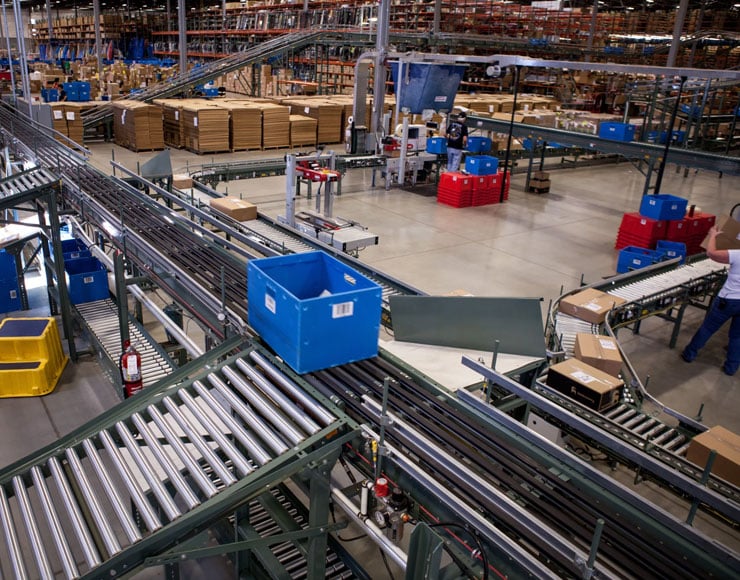
Operational speed meets flawless accuracy.
Efficiency is not just a goal. It is a competitive requirement. With the right sortation conveyor system, operations move beyond basic organization and achieve measurable performance gains. Intelligent sortation balances speed and accuracy, ensuring products are routed correctly, consistently, and without disruption.
Whether managing high-volume fulfillment or optimizing complex workflows, we’ll help you find the right sortation solution. Ready to sort smarter and faster? Let’s roll.
Resource hub.
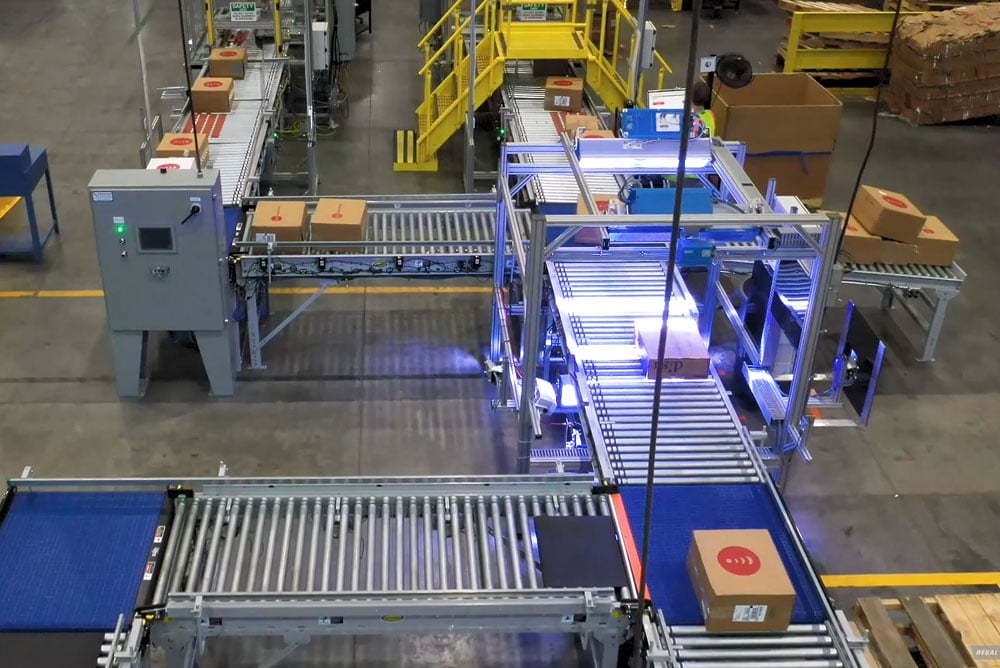
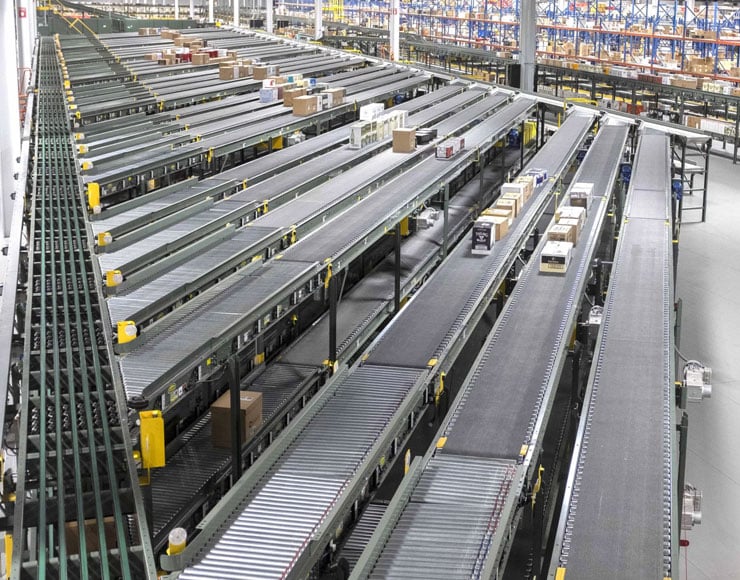
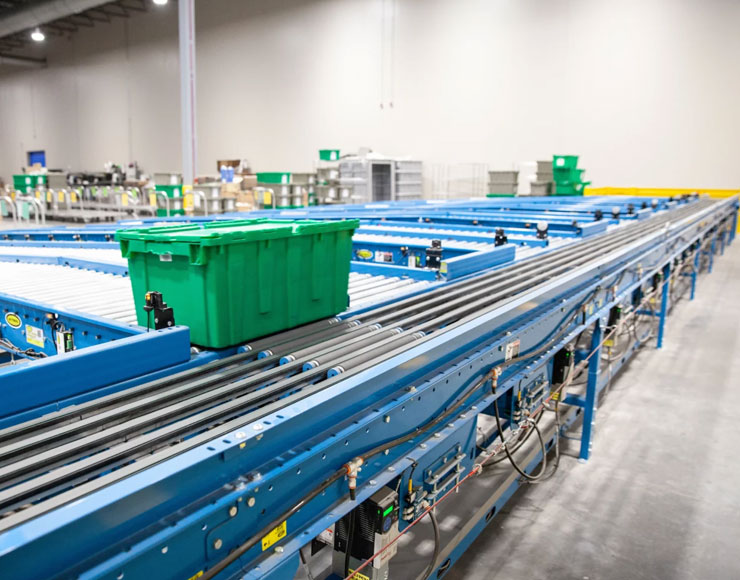
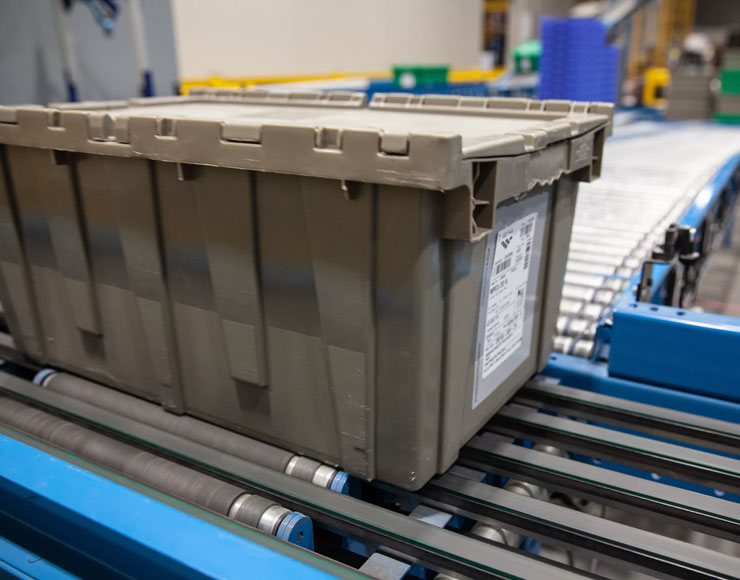
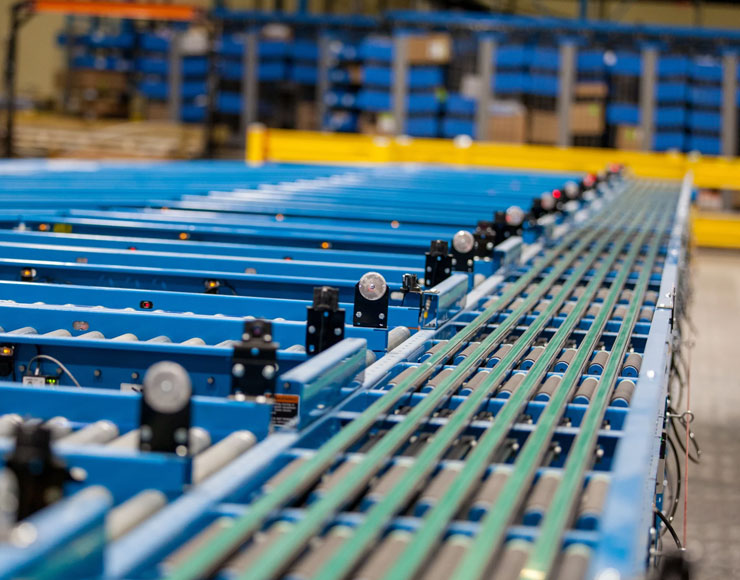
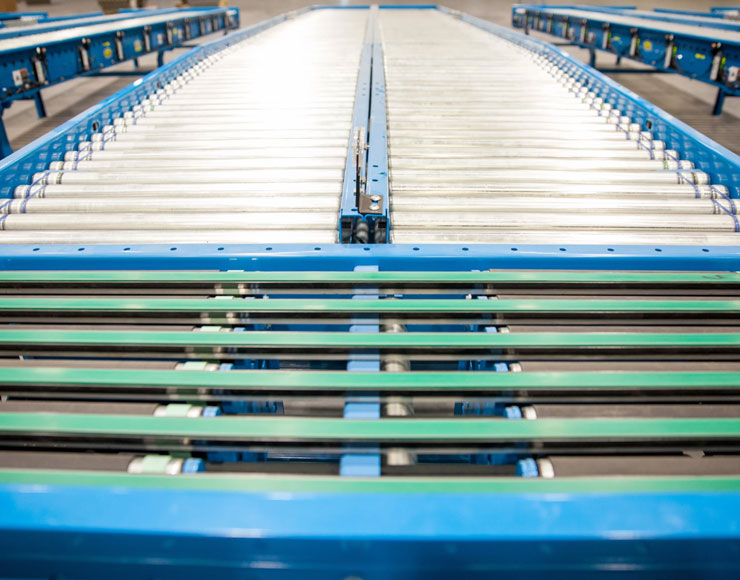
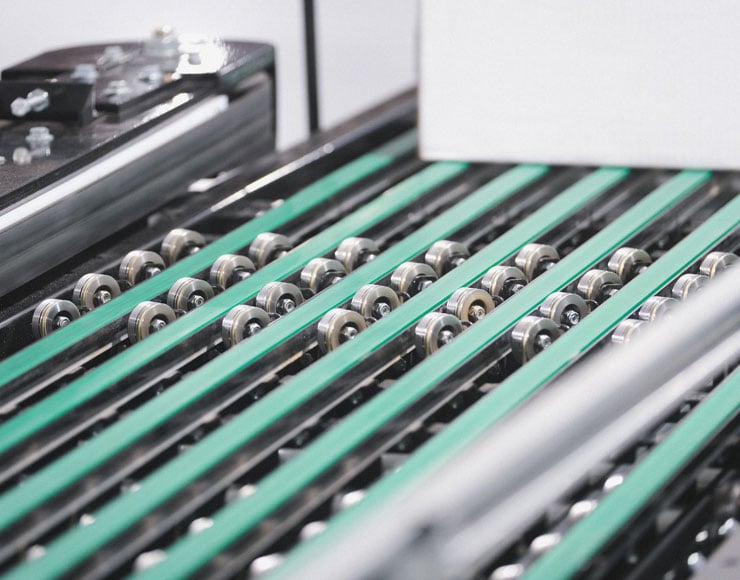


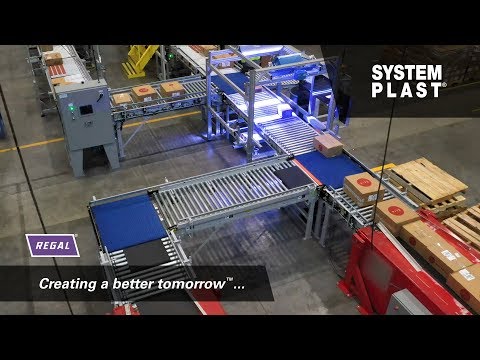
 Dish Network Gains Efficiency with System Plast® Modsort® Transfer and Divert Station.
 Related projects. Proof in action.
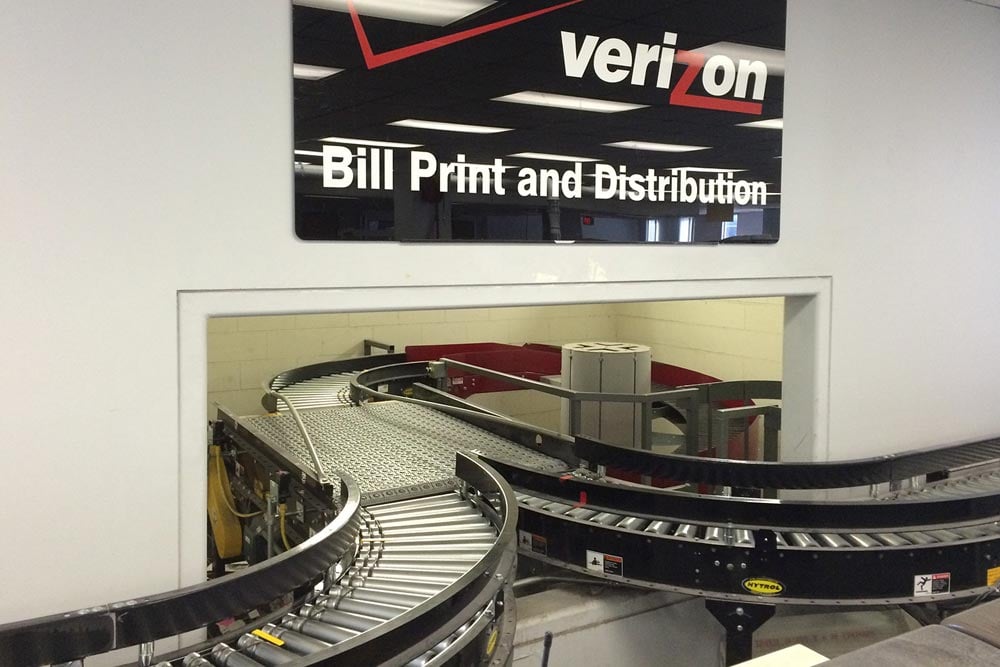
See how our team transforms equipment, planning, and integration into high-functioning, automated systems that solve real-world challenges.
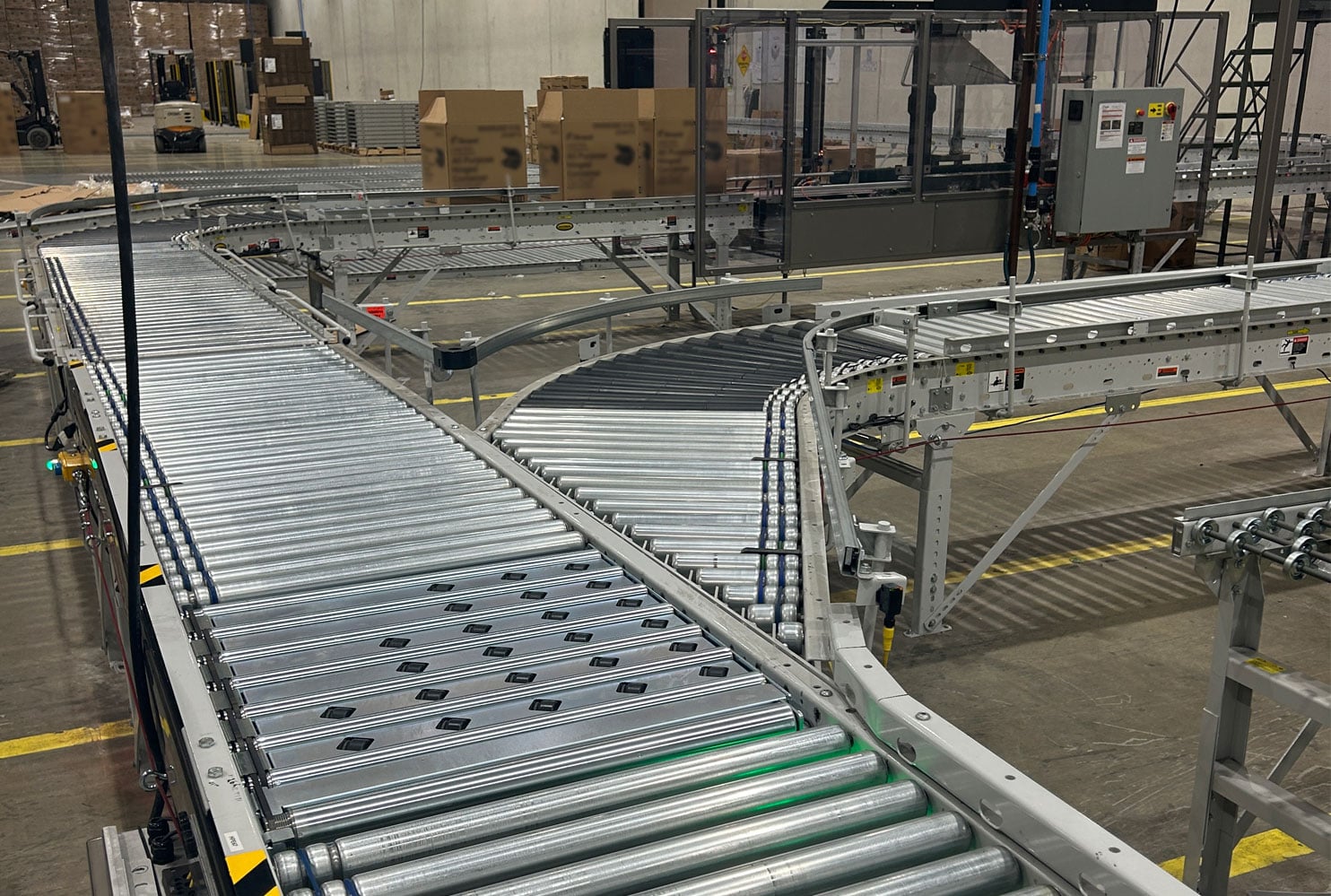


Sortation Conveyor FAQ
Sortation Conveyor is an advanced, automated process that combines specialized conveyors with smart technology to quickly identify and direct items to their correct destinations. Whether it’s based on shipping location, product type, or order priority, the system uses barcode scanners, RFID technology, or sensors to read product data and seamlessly sort and route items to the right lanes, chutes, or workstations.
Smart sortation boosts accuracy, reduces errors, and accelerates processing and delivery times – all while handling everything from small parcels to bulky boxes with ease. With the ability to process thousands of items per hour, you’re ensured a smooth, efficient flow that keeps operations on track and your customers satisfied.
A sortation conveyor system is made up of several integrated components that work together to identify, route, and direct products to the correct destination efficiently and accurately.
The exact configuration depends on throughput requirements, product characteristics, and routing complexity, but most systems include the following core elements:
- Infeed conveyors – These introduce products into the sortation system in a controlled, properly spaced manner to ensure accurate downstream sorting.
- Identification and data capture – Bar code scanners, RFID readers, cameras, or vision systems identify each item and pass routing data to the control system.
- Controls and software – A PLC or warehouse control system processes item data, makes routing decisions, and synchronizes conveyor movement, diverts, and timing across the system.
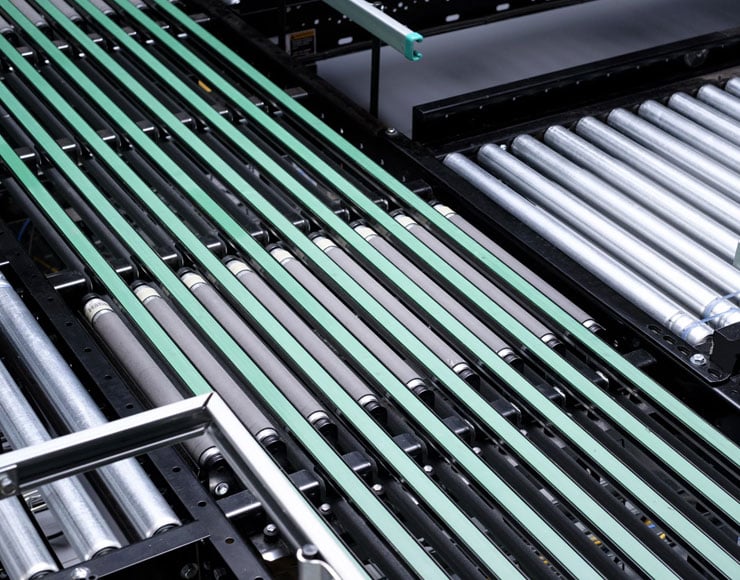
- Sortation conveyor or sorter mechanism – This is the core sorting element, such as ARB, DARB, sliding shoe, crossbelt, split-tray, pop-up wheel, or pusher-based technology, depending on application needs.
- Diverts and transfers – Mechanical or conveyor-based diverts guide products to the correct lane, chute, workstation, or outbound conveyor.
- Discharge lanes or destinations – Sorted products are delivered to packing stations, palletizing areas, shipping lanes, or downstream processes.
- Accumulation and buffering zones – These manage product flow before and after sorting to prevent congestion and maintain consistent throughput.
- Safety systems – Emergency stops, guarding, sensors, and fault detection protect personnel and equipment while ensuring compliant operation.
When it comes to keeping up with the demands of modern logistics, efficiency is everything. Sortation ensures products move seamlessly through your operation with speed and precision. They do more than just move items from point A to point B; they streamline operations and keep everything flowing smoothly. Implementing sortation conveyors offers several great advantages:
- 4X Increased Speed: Automated sortation systems can significantly boost throughput, with some systems capable of sorting up to 4X the current speed, dramatically enhancing operations.
- 50% Reduced Labor Costs: With automation handling repetitive sorting tasks, labor costs can be reduced by up to 50%, allowing teams to focus on strategic operations while minimizing manual handling errors.
- 99.9% Improved Accuracy: Automated sortation can achieve up to 99.9% accuracy, ensuring products always reach the right destination, whether it’s a retail store, warehouse, or direct-to-consumer shipment.
- 40% Increased Scalability: Sortation systems provide an adaptable solution for fluctuating production demands with up to a 40% improvement in operational flexibility.
- 20% Enhanced Space Utilization: Strategic buffering capabilities allow for better organization of warehouse space. Facilities can optimize up to 20% more floor space, leading to increased storage capacity and improved workflow efficiency.
Investing in a sortation system isn’t just about improving efficiency – it’s about driving serious cost savings across your entire operation. By automating product movement through momentum and buffering, they help reduce labor expenses, prevent product damage, and optimize space utilization.
- 50% Lower Labor Costs: Automating product flow reduces reliance on manual labor, cutting wage expenses and minimizing costly human errors. Businesses can achieve up to a 50% reduction in labor costs.
- 30% Reduced Product Damage: Gentle handling features help minimize wear and tear on products, resulting in fewer returns and lower replacement costs. This translates to a 30% reduction in product damage for many operations.
- 15% Drop in Energy Costs: Smart technology is designed to minimize power consumption without compromising performance, leading to a 15% reduction in energy costs.
- 25% Reduced Downtime: Improved workflow control helps prevent costly bottlenecks and production delays, ensuring a smooth and consistent operation with a 25% decrease in downtime.
Different types of sortation conveyors are designed to address varying throughput requirements, product characteristics, and facility constraints. Selecting the right technology is essential for improving accuracy, maintaining flow, and ensuring long-term system performance, whether the operation requires high-speed distribution or controlled, low-throughput sorting.
Common types of sortation conveyors include:
- Diverter Sortation Systems: These systems use mechanical or pneumatic arms to divert products quickly and efficiently onto different paths. Perfect for handling irregularly shaped items or products with varying weights, diverter sorters offer a high degree of customization to fit unique operational demands.
- Cross-Belt Transfers: Designed for ultimate precision, cross-belt sorters use a series of small belts to transport items in multiple directions. This makes them a go-to solution for facilities that require exact placement, such as pharmaceuticals, electronics, and fragile goods, ensuring every item reaches its correct destination without damage.
- Narrow Belt Sorters: Designed to maximize space, narrow belt sorters use multiple belts running in parallel to move and divert items efficiently. They’re an excellent choice for facilities with limited floor space that still require high sorting accuracy and reliability.
- Angled Roller Sorters: Utilizing angled rollers to guide products to their intended path, these sorters are perfect for operations needing precise control over product orientation and positioning. They work well for fragile or lightweight items that require careful handling.
- Pivoting Wheel Sorters: These flexible sorters use pivoting wheels to adjust the direction of items on the fly. Ideal for operations that need to handle a variety of package sizes and weights, pivoting wheel sorters offer quick adaptability without compromising accuracy.
- Pop-Up Wheel Sorters: With wheels that rise to redirect items to different locations, these sorters are best suited for lower throughput applications. They provide a cost-effective solution for smaller operations that still require reliable and accurate sorting without the need for high-speed capabilities.
- Sliding Shoe Sorters: These workhorses of high-speed distribution use sliding shoes to gently push items onto designated paths with precision and care. Ideal for operations handling thousands of packages per hour, sliding shoe sorters are a top choice for industries like e-commerce and retail, where accuracy and speed are non-negotiable.
- Tilt Tray Sorters: Featuring trays that tilt at just the right moment, these sorters efficiently guide products into the appropriate chutes. They’re perfect for operations with a variety of product sizes and shapes, from delicate parcels to bulkier items, offering exceptional flexibility and gentle handling.
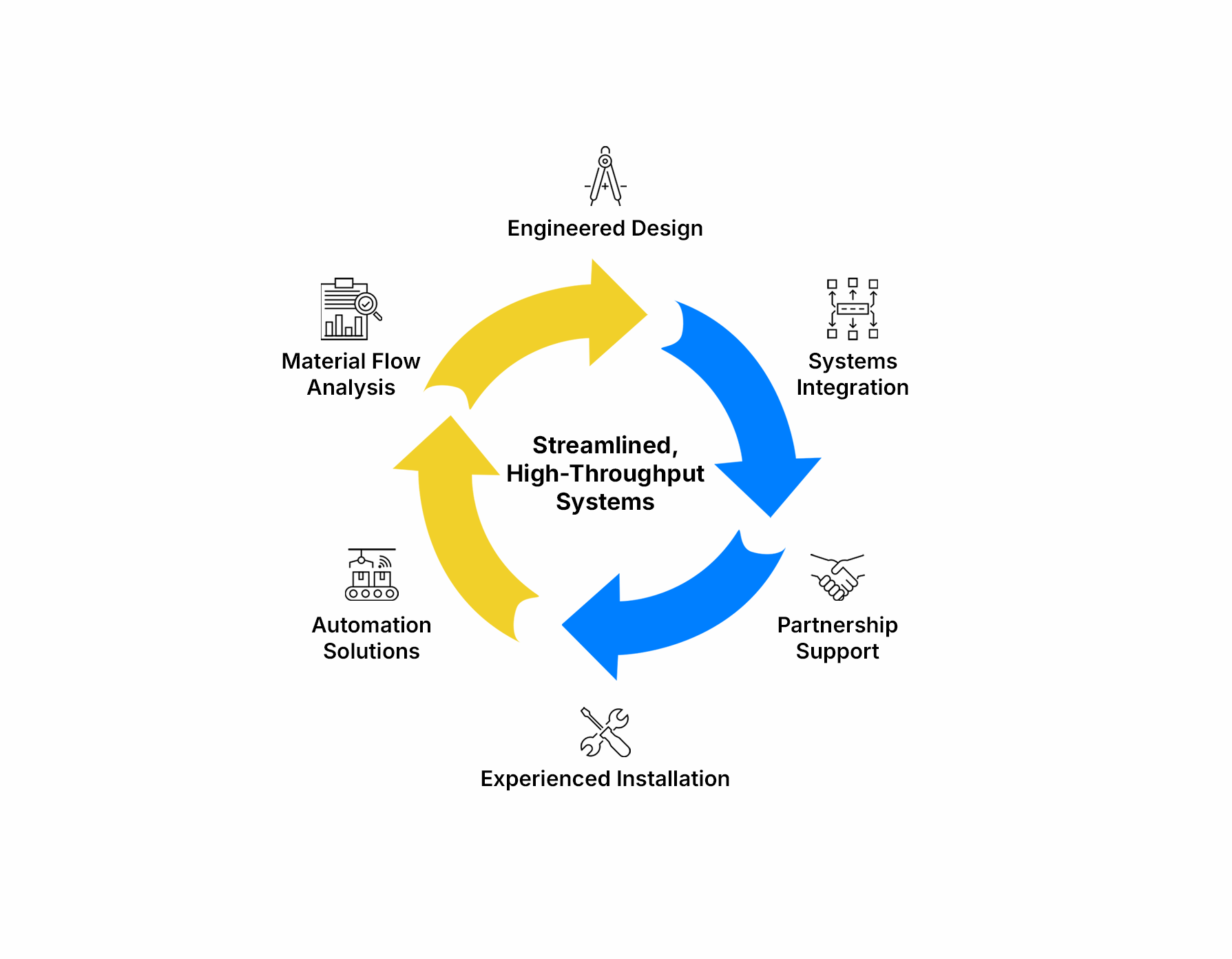
AEC applies its sortation expertise by designing conveyor systems around the real operational demands of each facility, not generic equipment layouts. Every system is engineered to align with product characteristics, throughput requirements, routing logic, and accuracy goals, ensuring material flows efficiently from infeed to final destination.
From early concept and layout through controls integration and commissioning, AEC takes a coordinated, end-to-end approach to sortation system design. This includes selecting the right sortation technology, integrating scanners and controls, and ensuring the system can scale as volumes and processes change. The result is a custom conveyor solution that reduces bottlenecks, improves accuracy, and delivers consistent, long-term performance.
One Partner. Every Solution.
Full-service project management from concept to completion.
Experience the advantage of a single, trusted partner committed to your operational success.
Meet the people shaping the future of logistics.



Let’s solve your challenge.
For over 65 years, we’ve helped our clients solve complex challenges with smart, productivity-driven solutions in automation, material handling, and storage.
Tell us a bit about your project. Our team will follow up within 2 business days to explore how we can help you move faster, operate smarter, and get measurable results.