
Accumulation Conveyor Systems
Optimize workflow by maintaining a continuous, controlled flow of products without interruptions or damage.
Accumulation conveyors keep operations flowing at full speed.
AEC is an industry leader in accumulation conveyor integration, helping operations achieve up to 50% reduction in product handling time and increasing throughput by 30-40%, depending on the application and system design.
Accumulation technology enables smooth, controlled product flow that minimizes bottlenecks and supports continuous production. And with features such as customizable speed control, accumulation conveyors also optimize energy usage, often delivering operational cost savings of 15-20% compared to traditional systems.


Where momentum meets buffering.
Optimize your flow with the right “traffic controller.” From high-density Minimum Pressure and mechanical Low Pressure to hitless Zero Pressure accumulation, we balance momentum with precision buffering.
Whether you need a simple slip-drive or sophisticated zoned logic, we’ll help you find the perfect solution to keep your production moving without a hitch.
Resource hub.
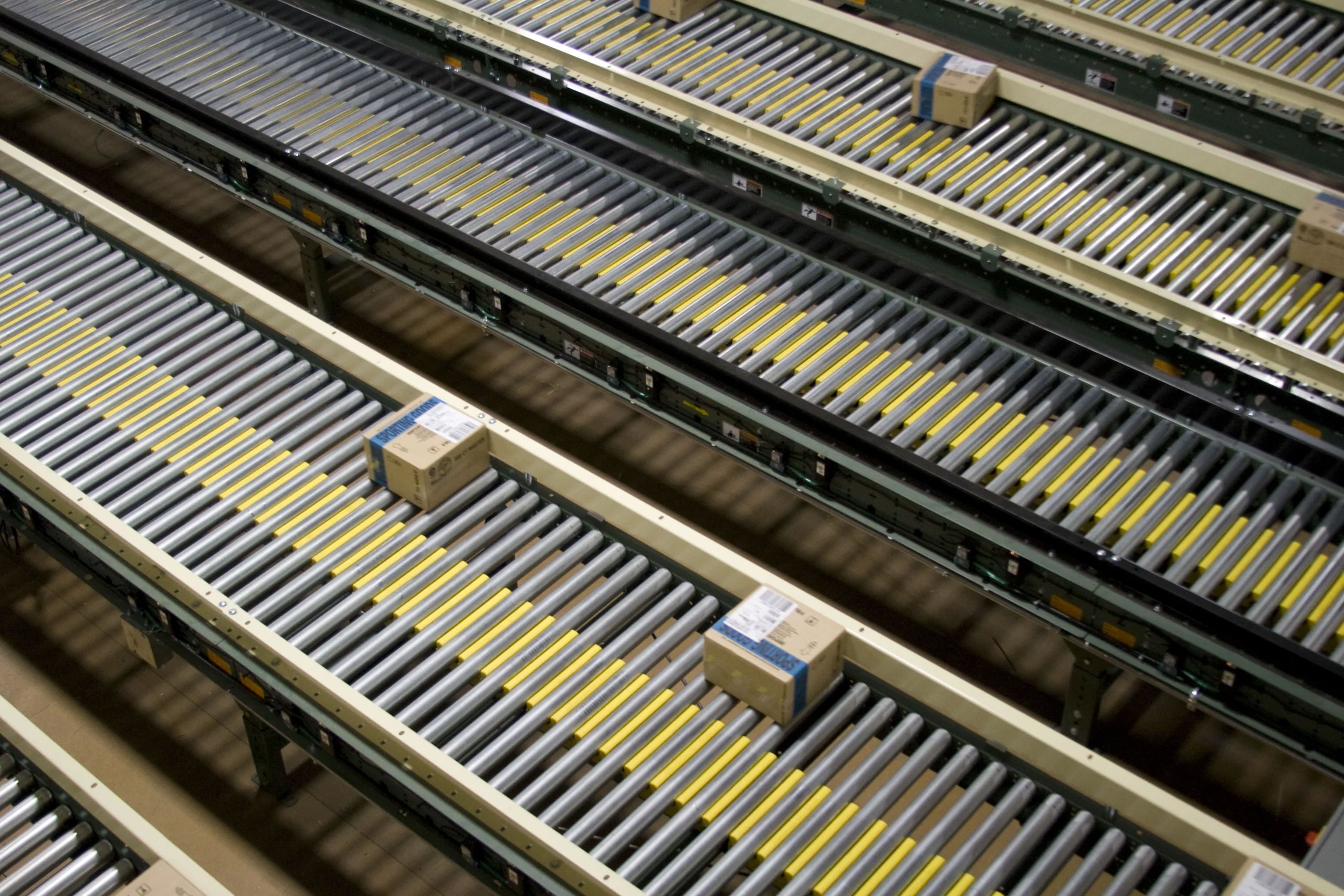
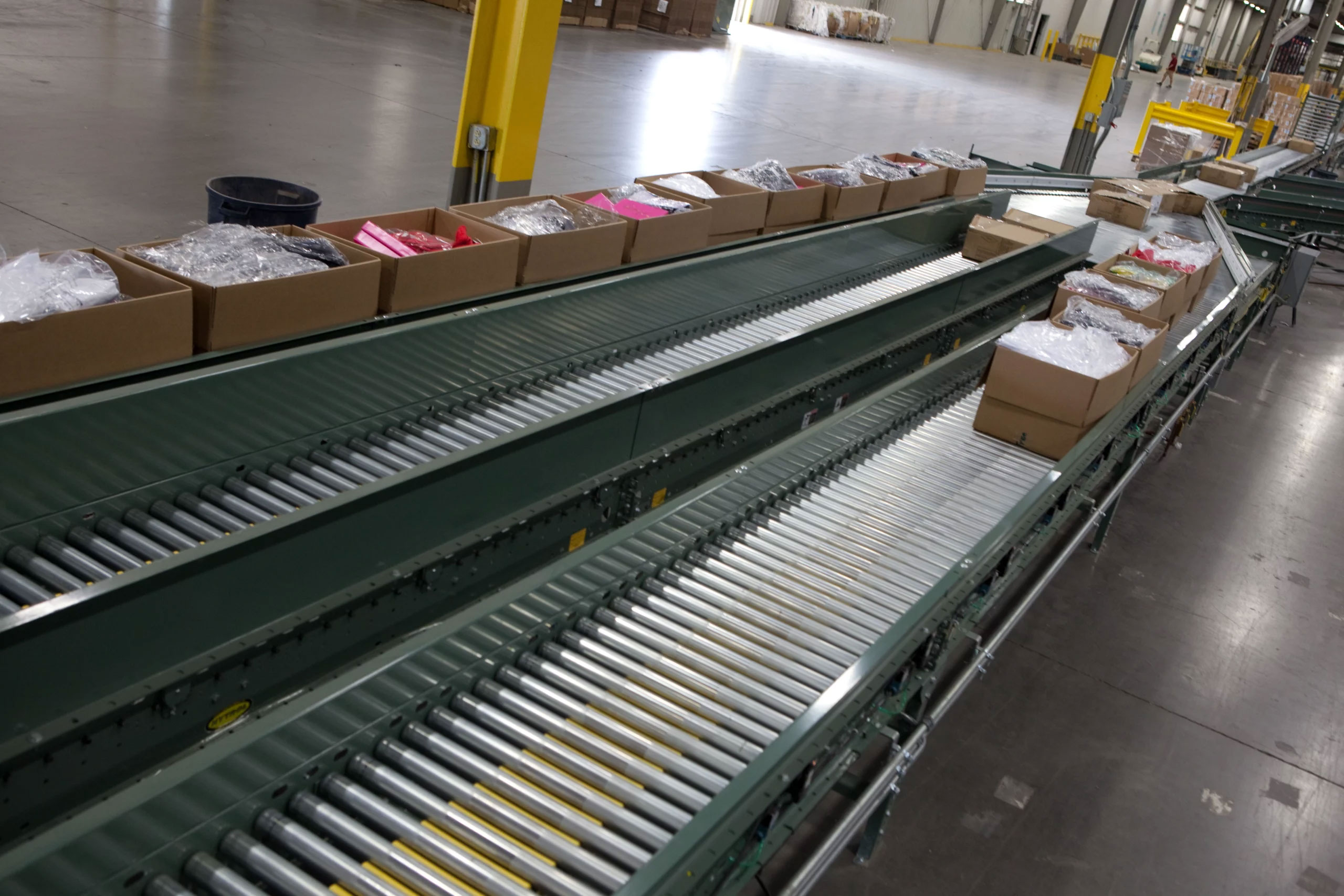

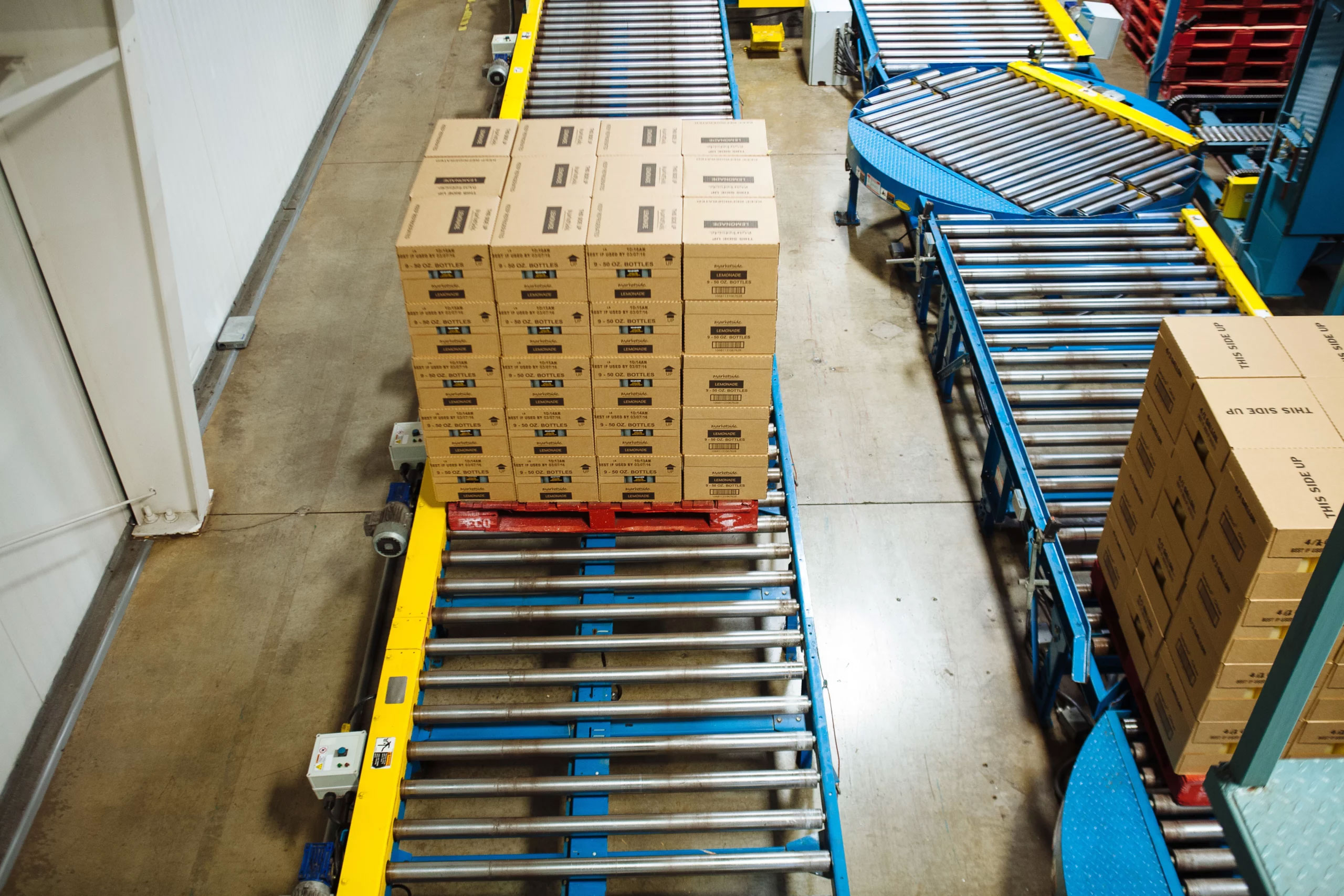

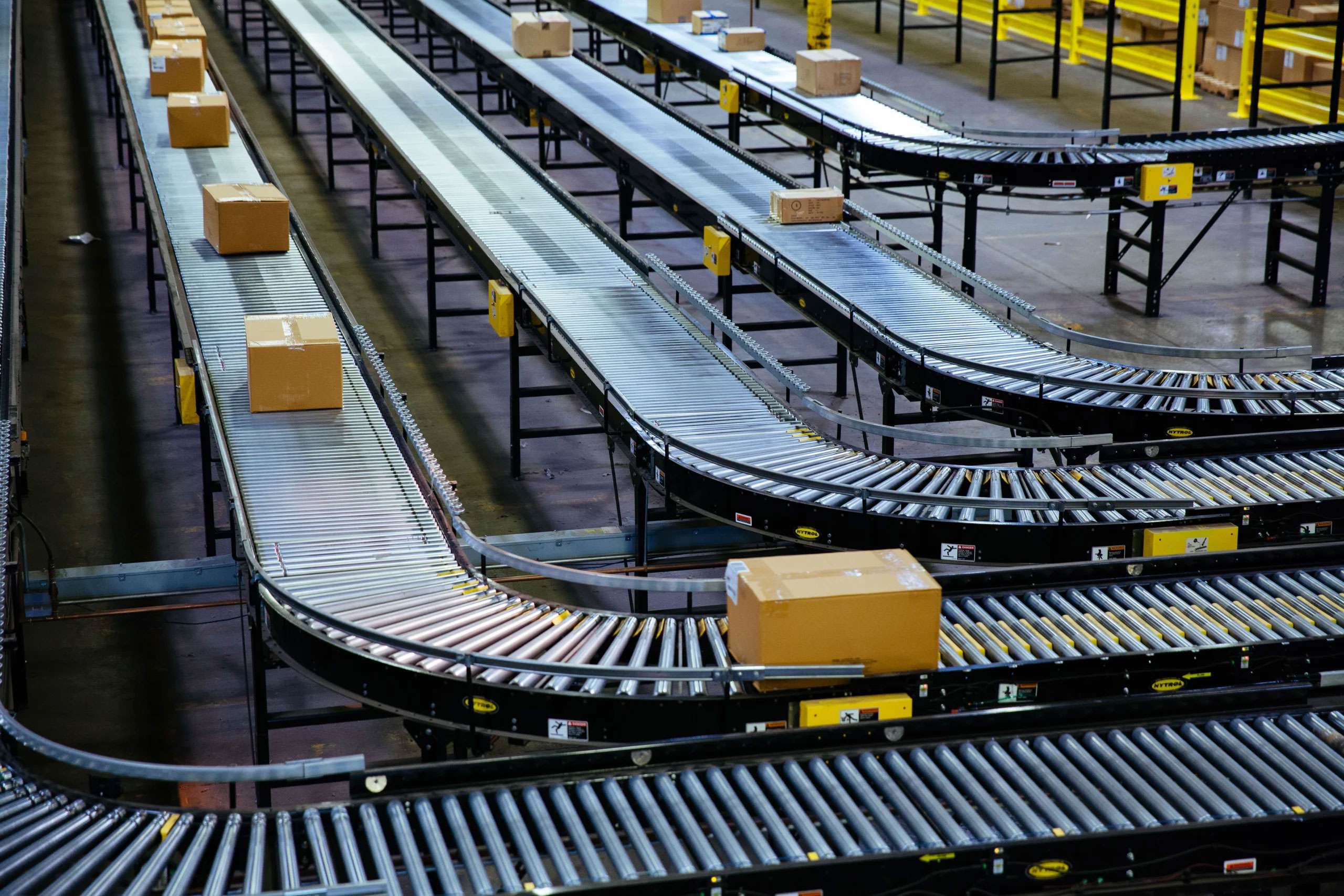
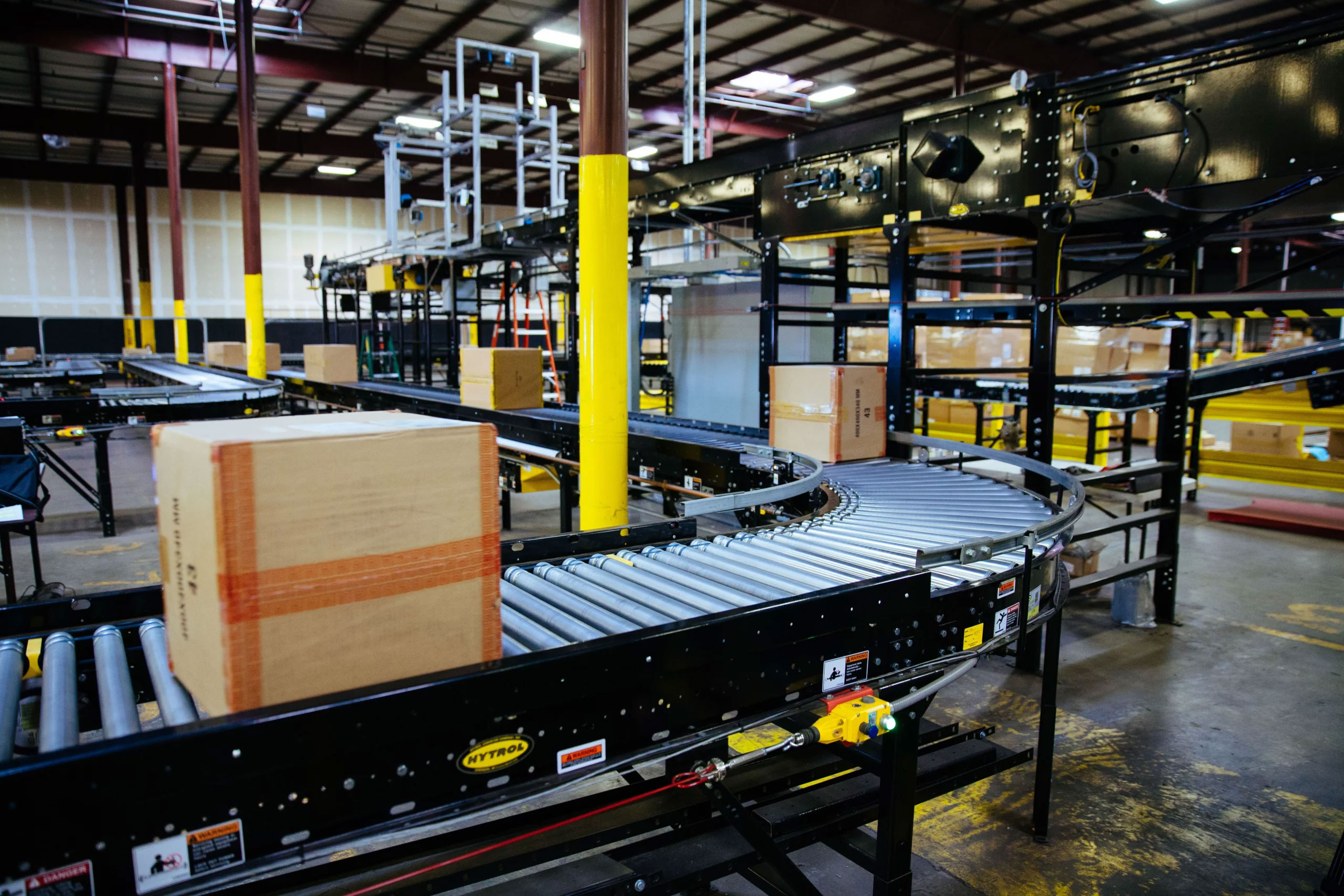

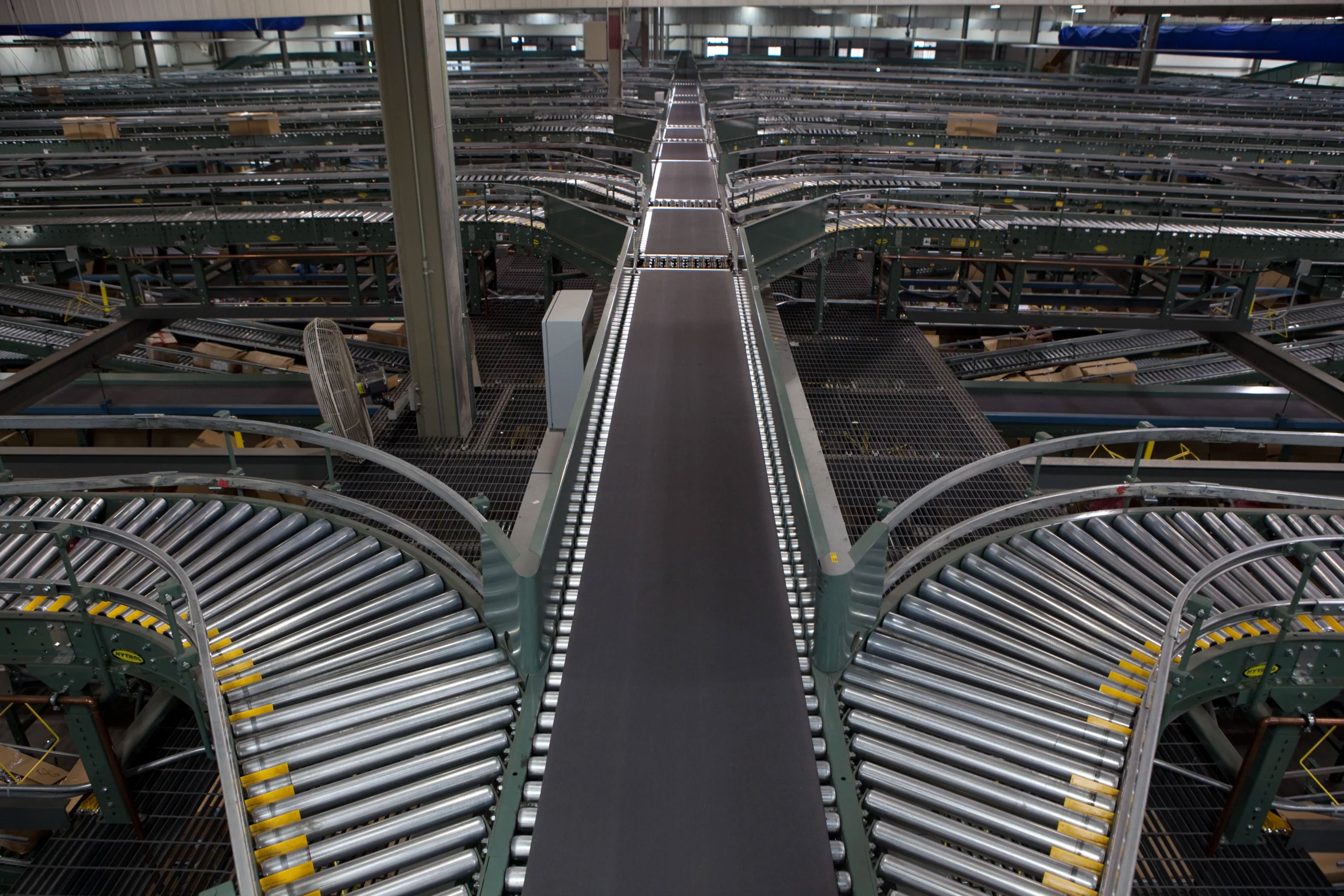
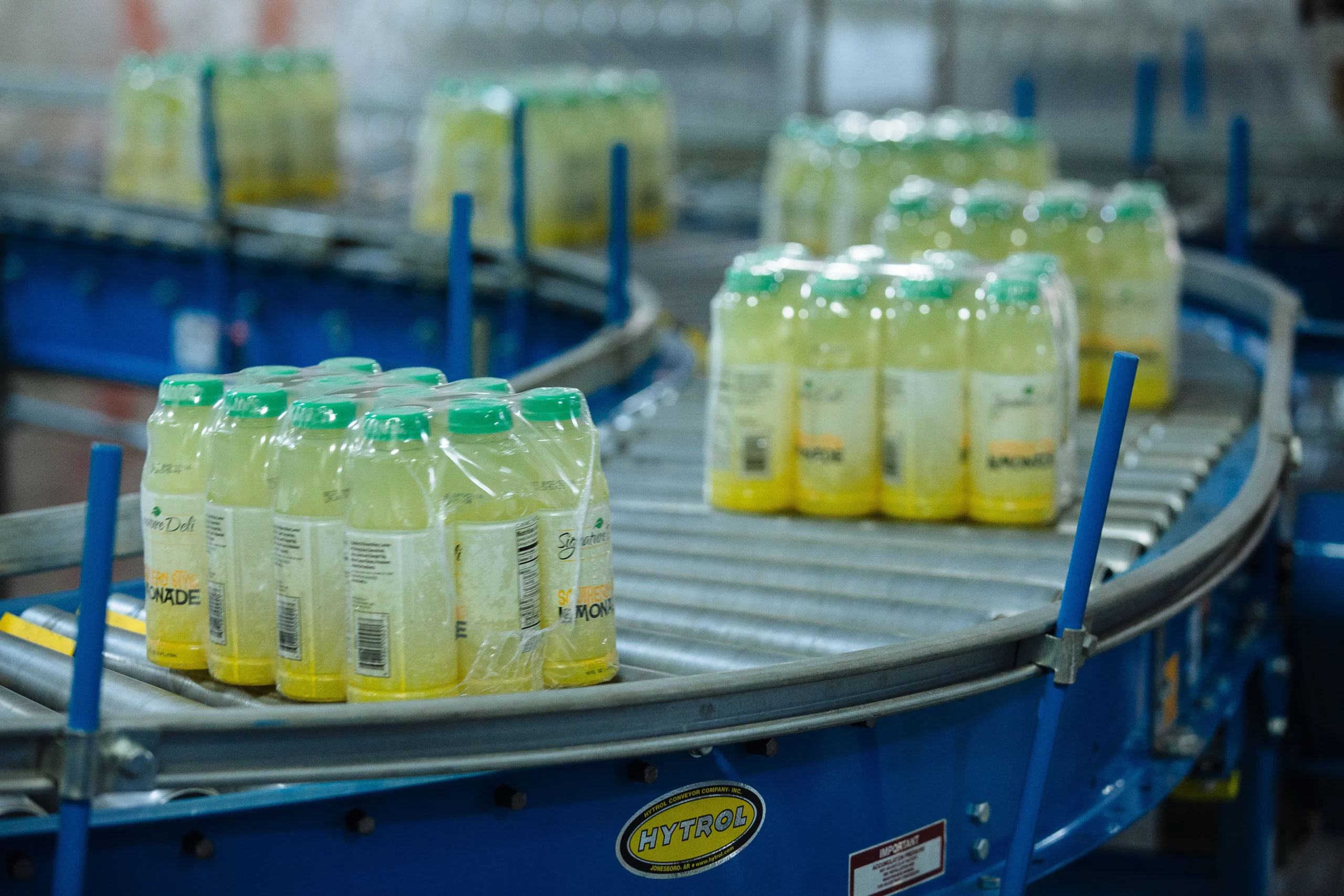
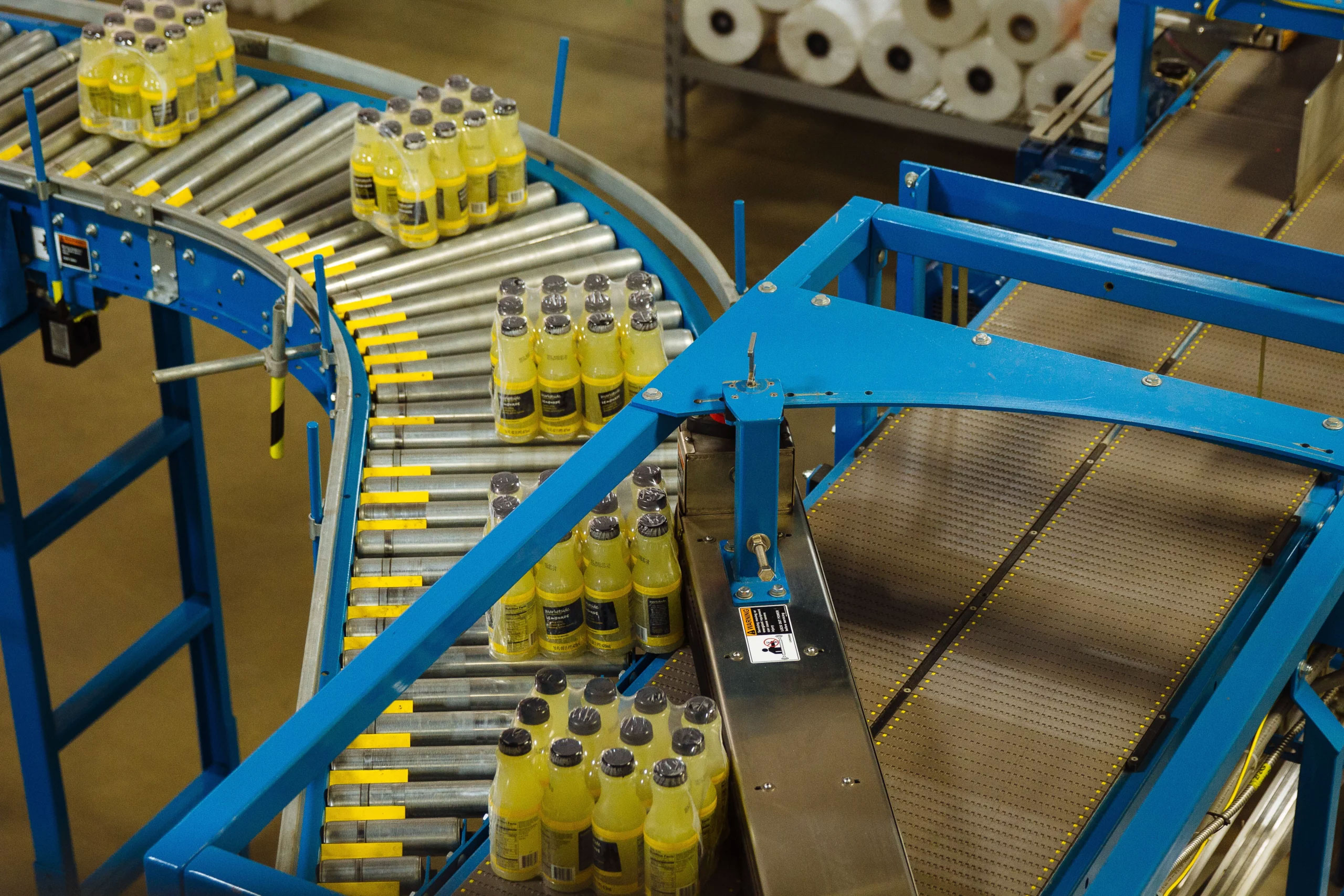



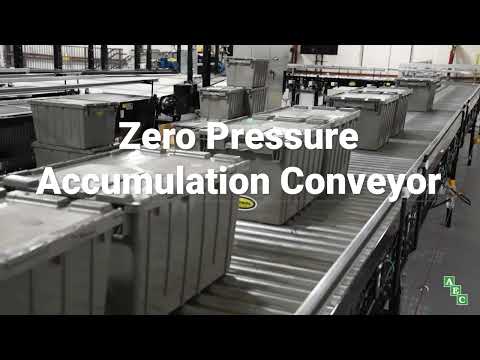
 Watch Hytrol Zero Pressure Accumulation Conveyor with EZLogic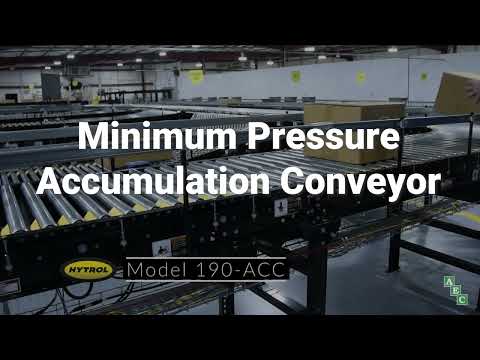

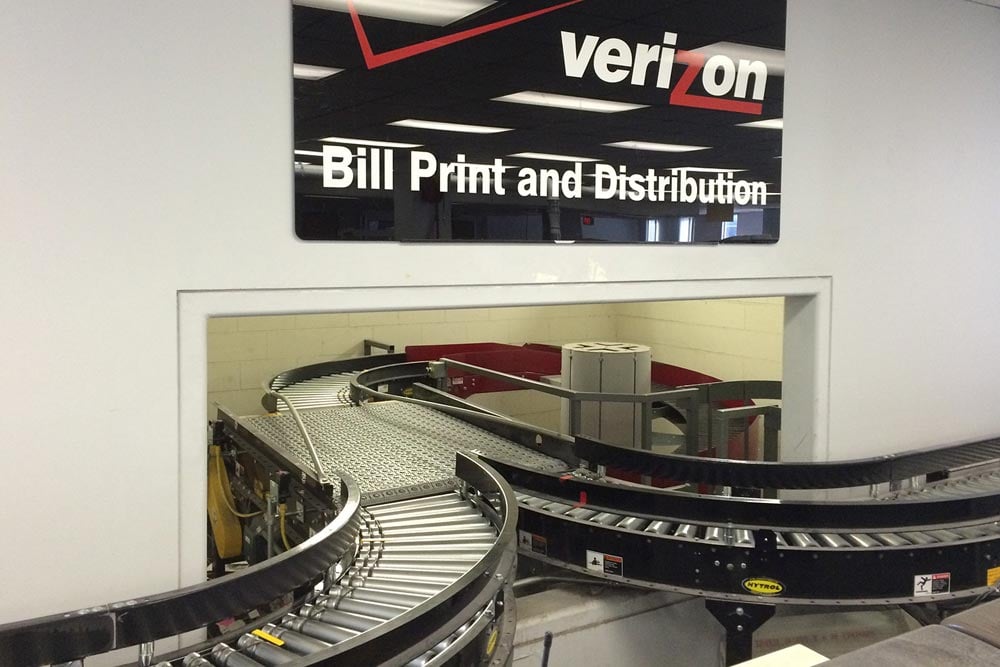
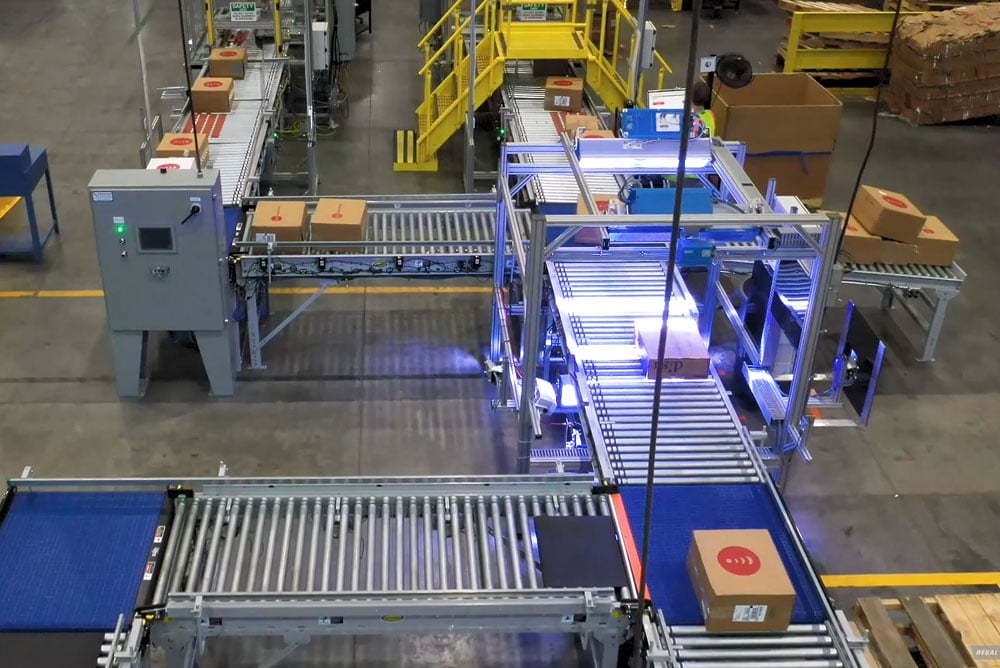
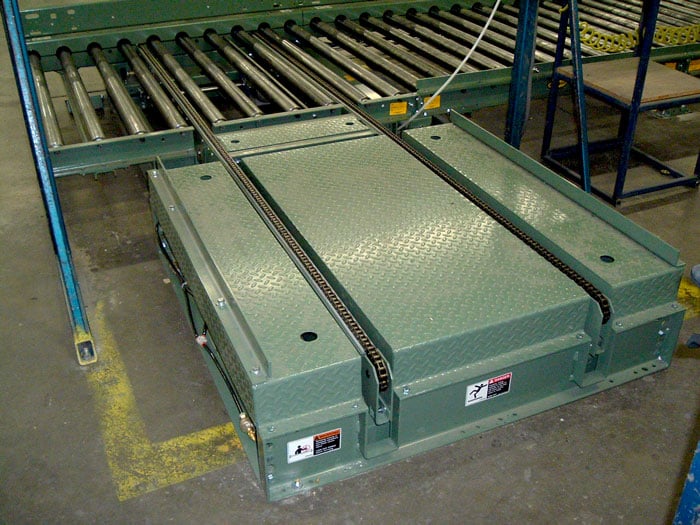
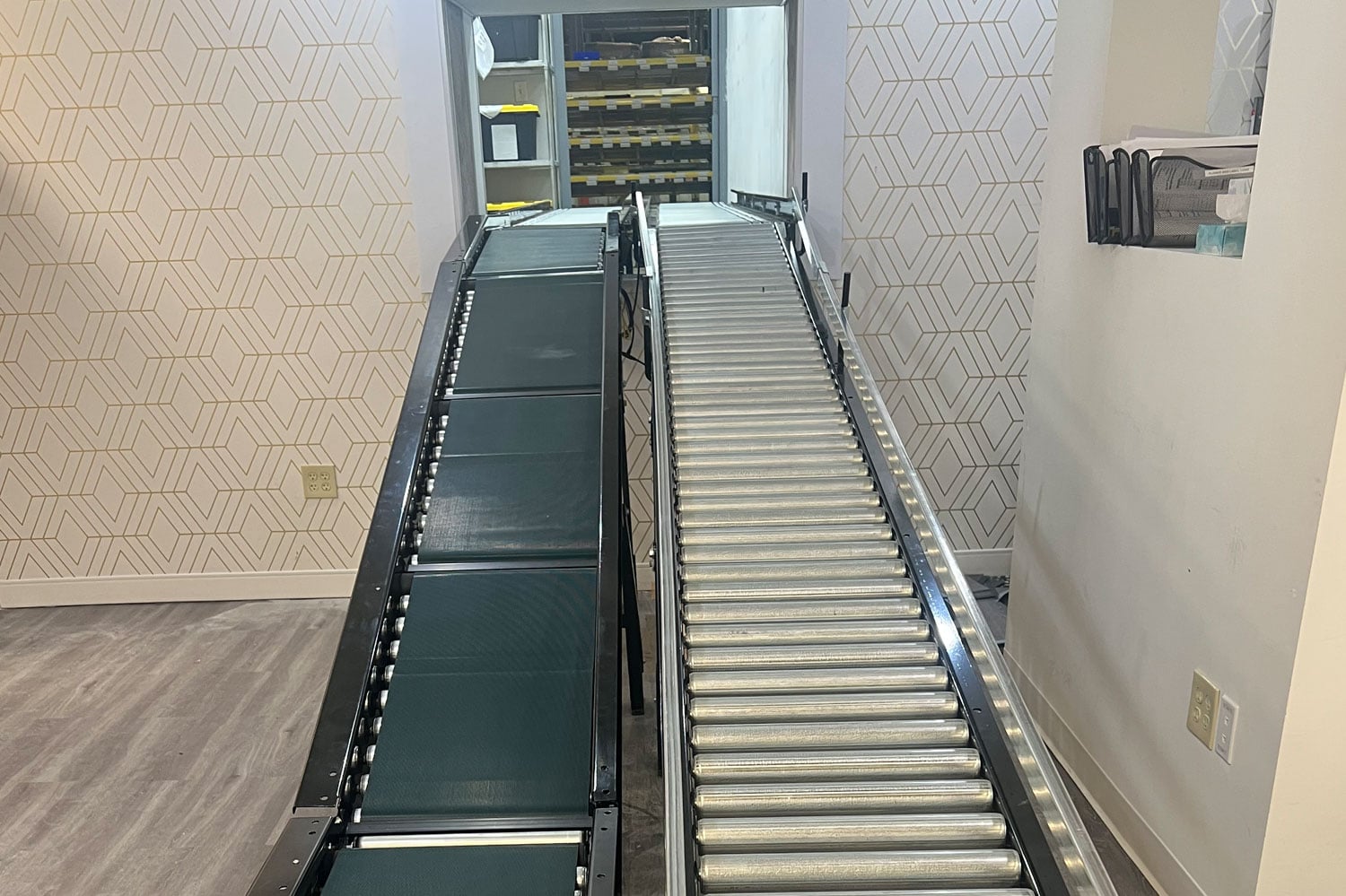
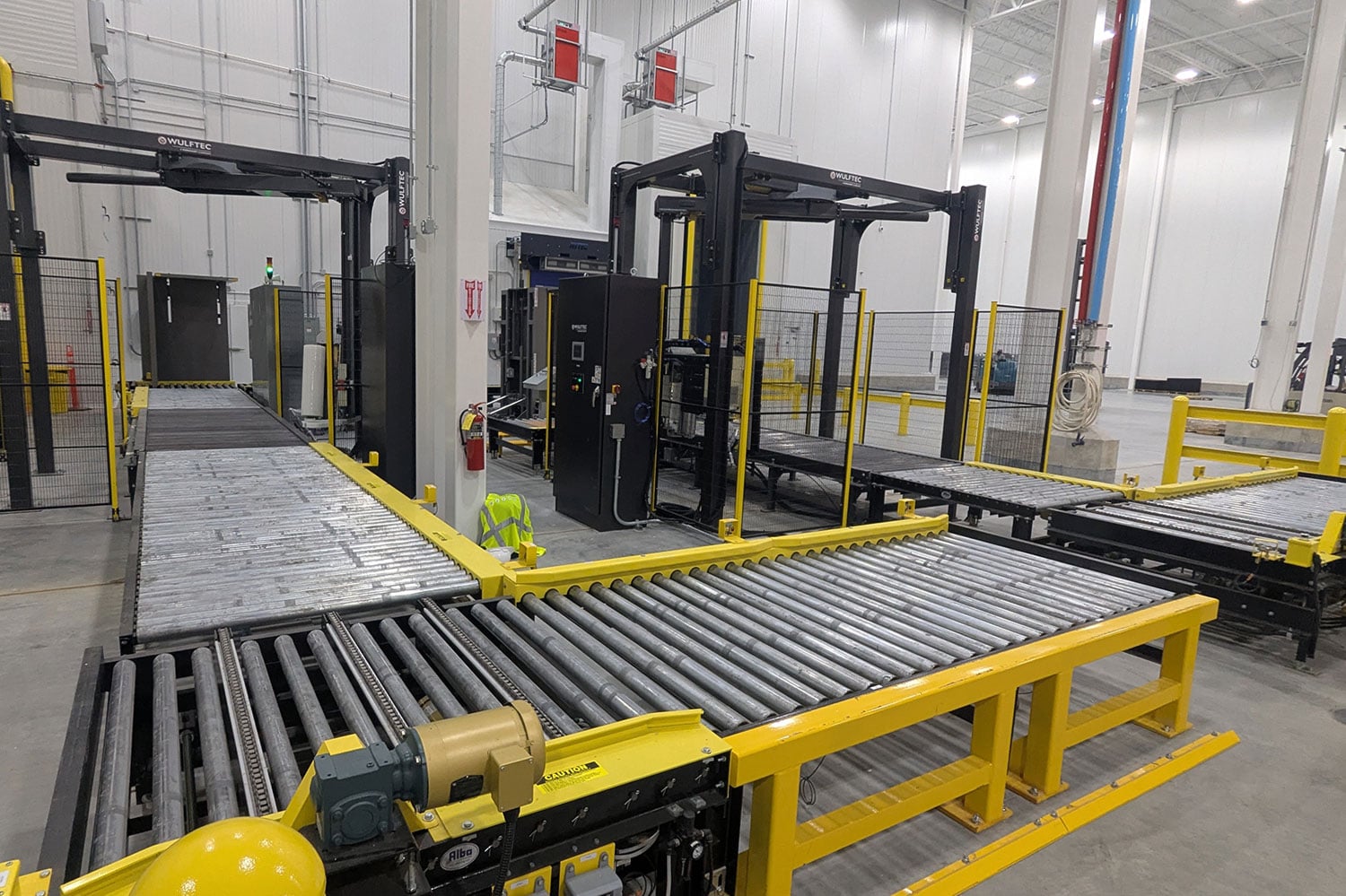
Related projects. Proof in action.
See how our team transforms equipment, planning, and integration into high-functioning, automated systems that solve real-world challenges.







Accumulation Conveyor FAQ
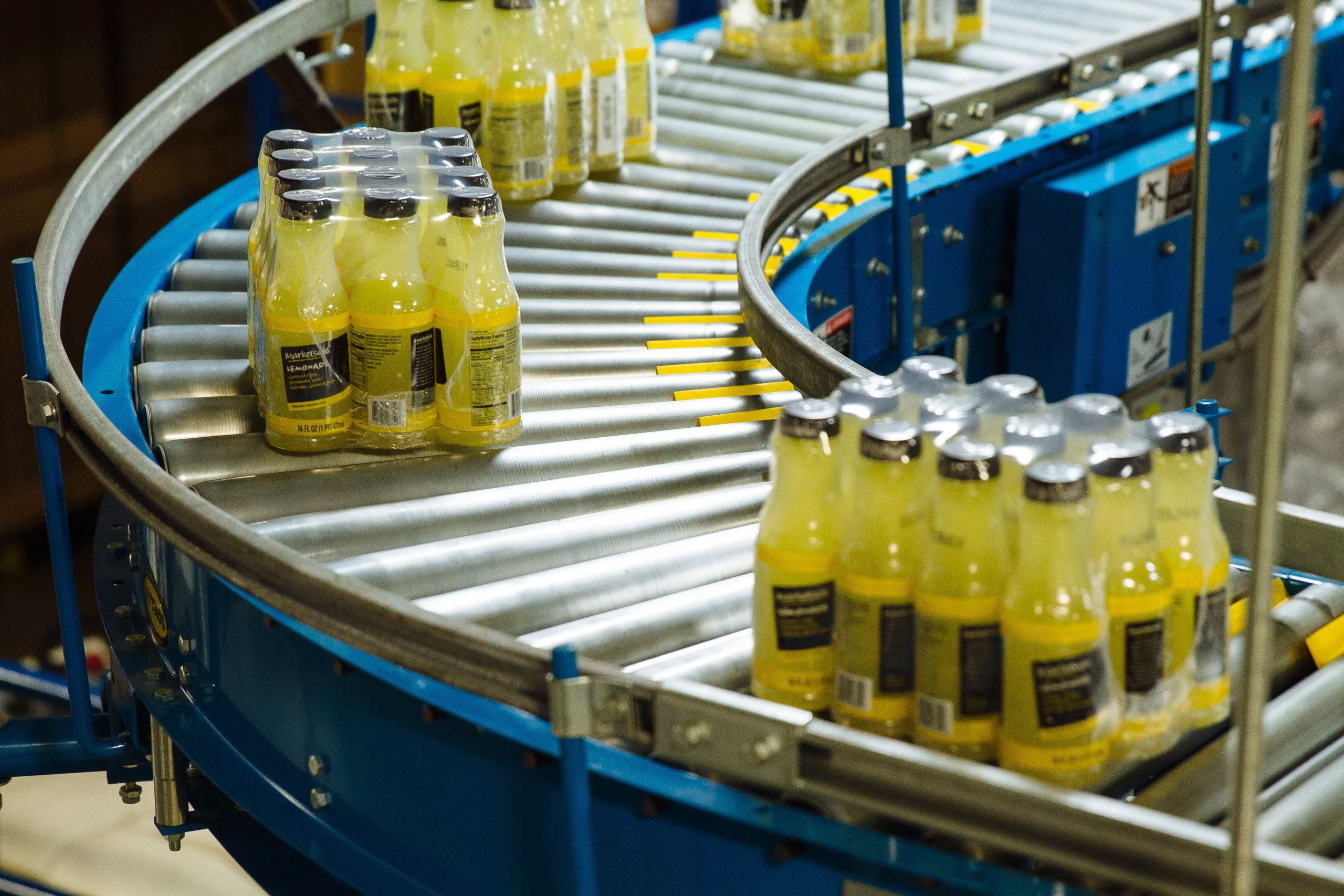
An accumulation conveyor is a material handling system designed to control the flow of products by allowing items to queue, pause, or accumulate along the conveyor line without touching or damaging one another. Unlike standard conveyors that move products continuously, accumulation conveyors use controlled zones to manage spacing and speed, preventing collisions, reducing pressure on products, and eliminating bottlenecks.
These systems are essential in high-throughput operations such as distribution, manufacturing, and packaging, where precise flow control is required to keep processes moving efficiently and safely. Accumulation conveyors improve throughput, protect products, and create a smoother, more predictable production environment.
1. Zero-Pressure Accumulation (ZPA)
Zero-pressure accumulation is the gold standard for conveying materials of varying sizes and weights. Products are allowed to accumulate without touching each other, and back-pressure is completely eliminated. This system is ideal for fragile or varied-sized products, as it maintains physical gaps between items to prevent any contact or “climbing.”
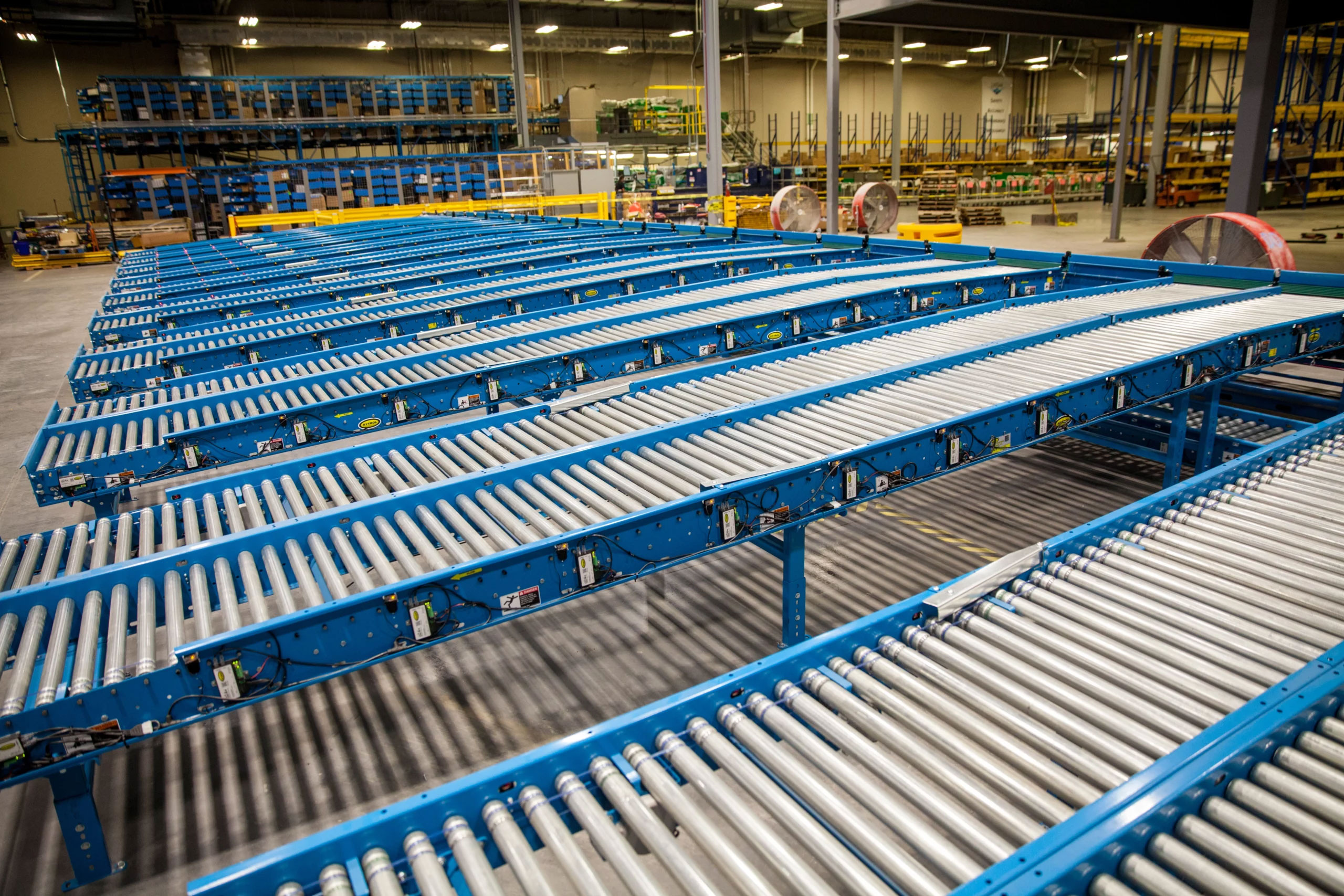
How it works: The product gap is managed by sensor-controlled “accumulation zones” (usually 24″ to 36″ long). Each zone uses a photo-eye to detect product and communicates with the neighboring zones to hold the item in a separate physical space. These buffer zones smooth out production fluctuations and hold products when downstream processes are not ready.
Common Applications:
- Buffering products before sortation, kitting, or packaging/shipping.
- Feeding palletizing and strapping stations.
- High-speed assembly lines and picking stations.
2. Low-Pressure Accumulation (LPA)
Low-pressure accumulation serves as the mechanical “middle ground.” It is designed for applications where some contact is acceptable, but constant drive friction must be minimized to protect the equipment and the product.
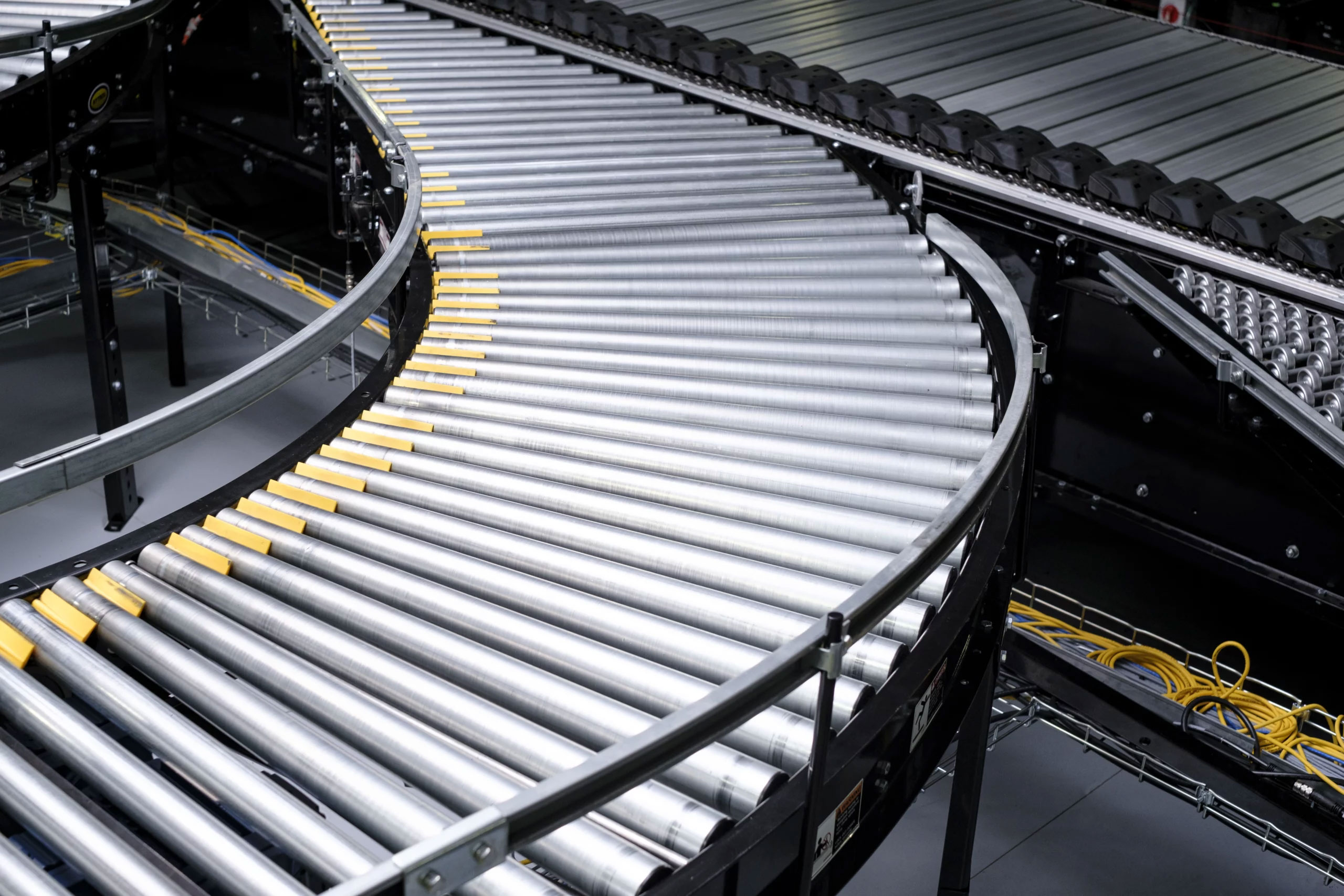
How it works: Unlike Minimum Pressure, LPA is an active system. It uses mechanical sensors (paddles) or light-touch pneumatic actuators to physically disconnect or “drop” the drive force from the rollers in sections as products accumulate. This results in a cumulative back-pressure of only 1% to 2% of the total live load.
Common Applications:
- Long runs of heavy, durable goods.
- Legacy systems where electronic zoning isn’t required.
- Heavy-duty manufacturing environments.
3. Minimum-Pressure Accumulation (MPA)
Minimum-pressure accumulation is best used for durable products of consistent size and weight. Its purpose is to maximize accumulation density by allowing light contact between items, creating a steady, compact flow.
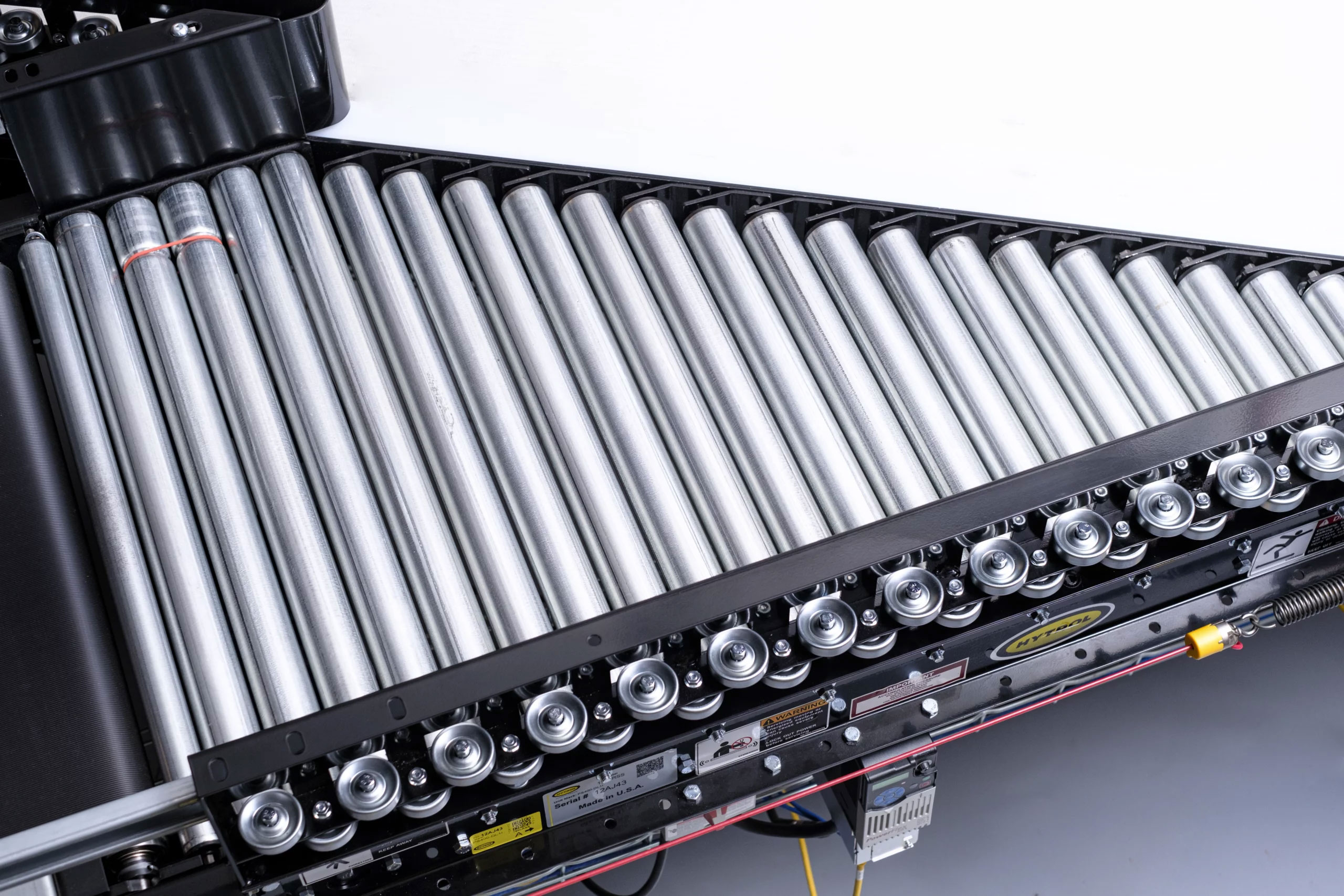
How it works: This is typically a non-zoned, mechanical system. It uses a low-friction drive (such as a loosely tensioned belt under the rollers) that allows the drive to slip under the product once it hits a physical stop. The cumulative back-pressure remains at roughly 2% to 5% of the total load weight. Because it lacks sensors, it is the most cost-effective but creates the most mechanical wear over time.
Common Applications:
- Accumulation of sturdy products prior to packing.
- Recirculation loops for totes or crates.
- Buffering similar size and weight products where “crushing” is not a risk.
- Minimum Pressure Accumulation: Use only for short runs of very durable, uniform goods.
- Low Pressure Accumulation: Best for long runs of heavy, non-fragile items where budget is the primary driver.
- Zero Pressure Accumulation (ZPA): The standard for modern e-commerce and multi-SKU environments where preventing contact is critical for both safety and automation accuracy.
Generally, yes. While Minimum Pressure is cheaper to install, it creates constant friction, leading to higher energy bills and frequent belt/roller replacements. ZPA (specifically MDR) only runs when a product is present, which can reduce energy consumption by up to 60% and significantly extend the mechanical life of the conveyor.
It depends on the “Crush Factor.” If you are conveying sturdy plastic totes or heavy wooden crates, Low Pressure (1–2% back pressure) is cost-effective. However, if you are handling fragile electronics, lightweight polybags, or varied box sizes that might “climb” over each other, Zero Pressure (ZPA) is mandatory to prevent product damage and equipment jams.
Absolutely. Zero Pressure systems using “Slug Release” logic can clear a line much faster than Low Pressure mechanical systems, which rely on physical paddles to reset. If your application requires high-speed sorting or frequent “stop-and-go” cycles, ZPA provides the logic needed to maintain high rates without the lag of mechanical linkages.
Accumulation conveyor technology works by dividing the conveyor into individual zones that monitor and control product movement in real time. Each zone uses sensors and drive components to detect when a product enters the area and automatically adjusts speed or stops movement to maintain proper spacing and prevent contact between items.
As downstream areas clear, the system restarts movement in sequence, allowing products to flow smoothly without collisions, pressure, or disruption. This controlled approach keeps operations running efficiently, protects product integrity, and supports consistent throughput in high-demand environments.
One of the primary benefits of an accumulation conveyor is its ability to reduce product damage by controlling the flow and buffering items during peak periods of production. It also maximizes operational efficiency by ensuring that upstream and downstream processes aren’t bottlenecked, improving overall throughput.
Additionally, with the ability to tailor systems to specific production needs, accumulation conveyors can accommodate varying speeds, product types, and sizes. This makes them versatile tools that can be adapted to many industries and applications.
- 30% Enhanced Productivity: Can increase throughput by up to 30%, minimizing downtime and optimizing workflow efficiency. This leads to a higher return on investment (ROI), with businesses often seeing productivity gains within the first year of implementation.
- 50% Volume Increase: Can accommodate production volume increases of up to 50% without significant modifications.
- 40% Throughput Boost: By enhancing throughput by 30-40%, accumulation conveyors facilitate faster and more efficient production flow, enabling organizations to meet demand spikes without compromising quality or efficiency.
- 40% Minimized Bottlenecks: Ensures smooth and consistent product flow, reducing delays and maintaining continuous operation by up to 40%. This results in improved efficiency, optimized resource utilization, and enhanced overall productivity.
By automating the accumulation and buffering of materials, businesses can experience significant cost savings through reduced labor and improved production flow. The controlled handling process minimizes product damage, which in turn reduces waste and rework costs.
Over time, accumulation conveyor systems also contribute to higher ROI by increasing throughput and enabling operations to scale without requiring major changes to the workforce or infrastructure.
- 50% Energy Savings: Equipped with advanced sensors and intelligent controls, accumulation conveyors can reduce energy consumption by up to 50%, as they operate only when needed. This translates to significant cost savings on energy bills and a more sustainable operation.
- 40% Reduced Labor Costs: By automating the flow of products, accumulation conveyors can lower manual handling requirements by 40% or more, cutting labor expenses and reallocating workforce resources to higher-value tasks.
- 60% Minimized Product Damage: Gentle accumulation and controlled flow can reduce product collisions and handling damage by up to 60%, helping to lower replacement and rework costs while ensuring product integrity.
- 25% Decreased Downtime: Optimized product flow helps prevent backups and bottlenecks, reducing unplanned downtime by 25% or more, keeping operations running smoothly and efficiently.
- 50% Lower Maintenance Costs: Designed for efficient, low-friction operation, accumulation conveyors can extend component lifespan by 50%, leading to fewer breakdowns and lower maintenance costs over time.
Yes, accumulation conveyor systems are built with specialized safety features designed to protect both workers and products while maintaining reliable flow.
These systems incorporate zone-based controls, photo-eye sensors, and logic-driven start and stop sequencing to prevent collisions and reduce product pressure. Emergency stop circuits, safety-rated PLCs, and guarded drive components help protect operators during operation and maintenance. Many systems also include soft-start and soft-stop functionality to minimize sudden movement, as well as jam detection and fault monitoring that alert teams to potential issues before they become safety hazards.
AEC designs and integrates accumulation conveyor systems with a focus on flexibility, performance, and long-term scalability. Each system is engineered to align seamlessly with existing workflows and broader automation environments, while accommodating a wide range of product weights, shapes, and sizes.
Through advanced custom configurations, every solution evolves with your facility’s production needs, providing a future-ready platform that keeps operations agile, productive, and positioned for continued growth.
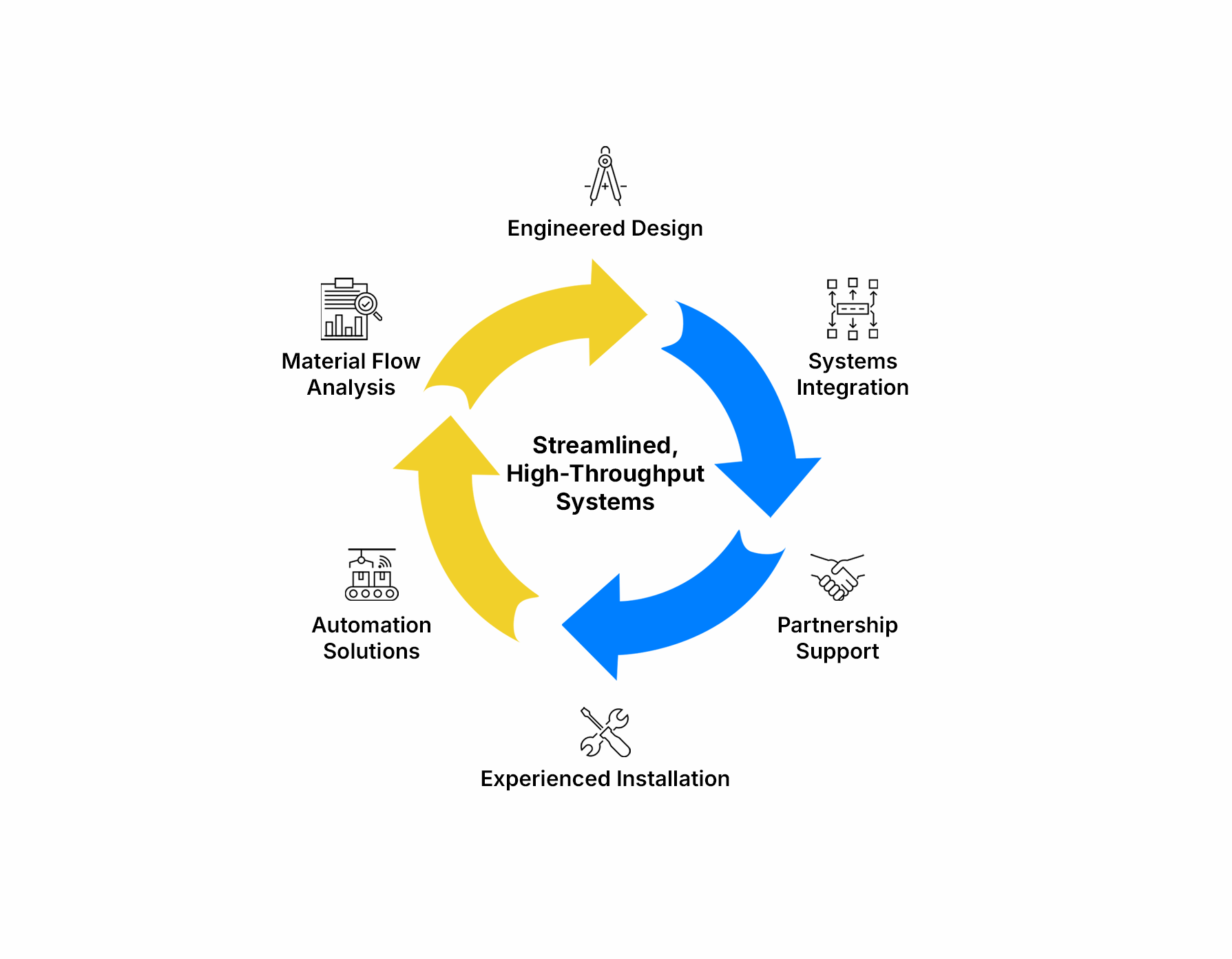
One Partner. Every Solution.
Full-service project management from concept to completion.
Experience the advantage of a single, trusted partner committed to your operational success.
Meet the people shaping the future of logistics.



Let’s solve your challenge.
For over 65 years, we’ve helped our clients solve complex challenges with smart, productivity-driven solutions in automation, material handling, and storage.
Tell us a bit about your project. Our team will follow up within 2 business days to explore how we can help you move faster, operate smarter, and get measurable results.